OddsTrader Offshore vs. Regulated Page: What Does It Compare?
An OddsTrader offshore-versus-regulated page is best understood as a comparison tool—not a guarantee that every book listed is available to you, offers the same market, or will keep showing the price you see. Its practical purpose is to help readers examine sportsbook options and compare betting prices, with a distinction between offshore operators and sportsbooks regulated in a particular U.S. jurisdiction.
The most useful part of that comparison is often the odds board: a compact view of prices for spreads, moneylines, and totals. But a price is meaningful only when you are looking at the same wager, on the same event, for the same period. A -3 spread is not the same bet as -3.5, and a soccer result for 90 minutes is not the same market as a result that includes extra time.
Here’s what a page like this can help you compare, what it cannot establish by itself, and how to use it without confusing a displayed price with a reserved one.
What the Page Is Comparing
At a high level, the page compares sportsbook options and the betting information associated with them. That may include best bet tracking app a sportsbook’s category or regulatory status, featured markets, displayed odds, promotions, and links to further operator information. The exact providers, sports, states, and data shown can change, so check the page itself for its current coverage and definitions.
“Offshore” and “regulated” describe different operating and oversight contexts; they are not interchangeable quality labels. A regulated sportsbook is licensed under the rules of a relevant jurisdiction. Offshore operators may operate under a different legal and regulatory framework. A comparison page can help you identify these categories, but it does not replace checking the laws where you live or reviewing the operator’s terms.
Availability also matters. A sportsbook may be listed on a comparison page but not be available in your state, or a particular promotion or market may not be offered to your account. Treat the page as a research starting point. Confirm eligibility, terms, and the final wager details directly with the sportsbook before placing a bet.
Odds Boards: The Fastest Way to Compare Prices
An odds board puts several prices for a game or market in one view. Instead of opening every sportsbook separately, you can scan the board for spreads, moneylines, and totals, then check which listed price is currently available. OddsTrader may present this kind of comparison; Oddschecker (US edition) and Action Network are other familiar names bettors may encounter when looking for odds boards, sportsbook information, or betting tools.
Board features differ by site. Look for clear labels showing the teams or participants, market type, point spread or total, price, sportsbook, and whether the figure is an opening line or a current price. If a board does not make those distinctions clear, slow down and open the market details. A quick glance is useful only if it compares like with like.
Spreads
A point spread adjusts the score for betting purposes. If a football team is listed at -3, it generally must win by more than three points for a standard spread bet to win; a result exactly three points ahead usually pushes, subject to the sportsbook’s settlement rules. The opposing team at +3 can win outright or lose by fewer than three points for the bet to cash.
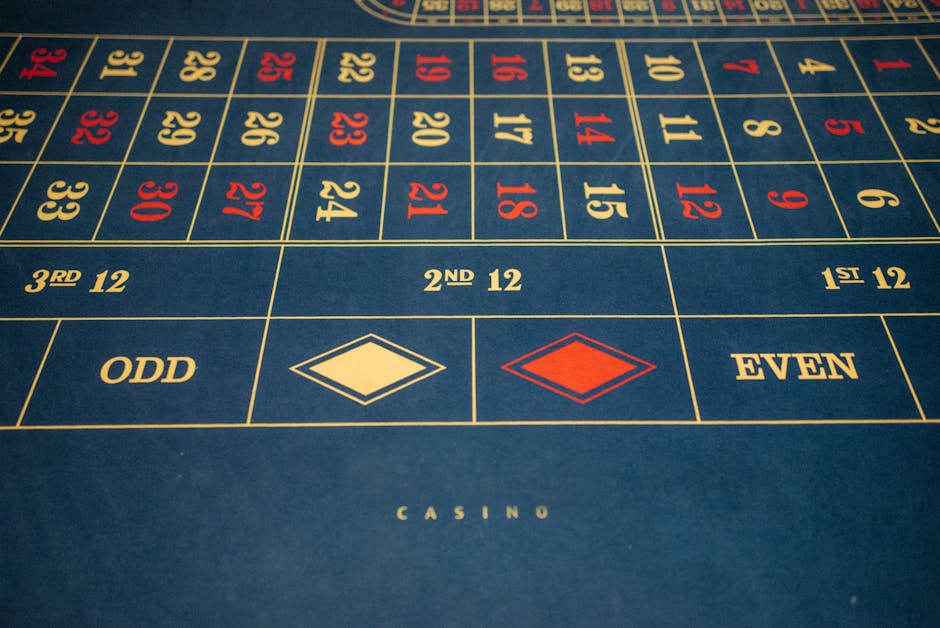
The price attached to the spread is part of the wager. Comparing Team A -3 at -110 with Team A -3.5 at -105 does not isolate the price: the point value has changed too. The first bet can push on a three-point margin, while the second cannot. To assess line shopping, first match the number, then compare the price. If no sportsbook offers the same number, describe the trade-off rather than treating the offers as identical.
Moneylines
A moneyline is a bet on the winner, with no point spread applied. In American odds, a negative number generally indicates the amount you must risk to win $100, while a positive number shows the profit on a $100 stake. For example, -120 requires a $120 risk to make $100 in profit; +120 would return $120 in profit on a $100 risk, plus the stake if the bet wins.
Even moneyline comparisons require market matching. Check that the listed prices refer to the same event and outcome, and note whether a draw is possible or whether the market is limited to two outcomes. In soccer, a standard three-way moneyline includes home win, draw, and away win. A “draw no bet” market is different because the stake is typically returned if the match ends level, subject to the operator’s rules.
Totals
A total, often called an over/under, is a bet on whether the combined score will finish above or below a posted number. If a basketball total is 215.5, the over wins at 216 or more combined points and the under wins at 215 or fewer. A whole-number total can have a push if the final score lands exactly on the number.
As with spreads, the total and price both matter. Over 215.5 at -110 and over 216 at -105 are not the same wager: the latter can push at exactly 216, while the former cannot. Check whether the board is showing the same total before deciding which offer has the better price.
Opening Line vs. Current Price
An opening line is the initial market price recorded by a sportsbook or odds source. A current line is the price displayed now. Prices can move as sportsbooks adjust to betting activity, new information, or changes in their own risk. Movement may affect the odds, the spread or total, or both.
Seeing both opening line and current price display can help you understand how a market has changed. For example, a spread might open at -2.5 and later show -3. A moneyline may become more expensive without the point spread moving. That context is useful for tracking market movement, but it does not tell you why the price changed or prove that the current number is the “right” one.
Also, opening lines are not always directly comparable across sportsbooks. Books may post at different times, and an opening price can refer to one operator while the current price comes from another. Check the source and timestamp when available. If the board does not identify them, avoid making a precise claim about the market’s opening move.
A Practical Line-Shopping Routine
- Confirm the event and market. Check the matchup, start time, sport, and market type before comparing prices.
- Match the wager. Verify the same team or outcome, spread or total, and period. Do not compare a full-game wager with a first-half market.
- Compare the number first. For spreads and totals, match the point value before comparing the odds. If the number differs, record that difference.
- Check the current price. Odds can move between viewing a board and opening a sportsbook. Confirm the price on the bet slip before submitting.
- Keep a receipt. Record the sportsbook, market, number, odds, stake, and time you placed the wager. Later, compare that price with the closing line for your own tracking.
- Review settlement details. Confirm rules for pushes, postponements, overtime, and other event-specific outcomes.
A screenshot of an odds board is a snapshot, not a reservation. The sportsbook’s bet slip shows the current offer for your account, and the price may change before the wager is accepted. If the number moves, decide whether the revised bet still makes sense rather than assuming the original quote is waiting for you.
Market Matching: Same Wager, Same Period
Market matching is the step that prevents misleading comparisons. A page may put several prices side by side, but the labels still deserve a careful read. Check whether the wager covers the full game, a half, a quarter, a period, regulation time, or the full event including overtime. “Game winner” and “moneyline” can also have different settlement definitions depending on sport and operator.
Football terminology can mean different things in different contexts. For American football, check whether the market includes overtime if the sportsbook’s rules make that relevant. For soccer, verify whether the bet is for 90 minutes plus stoppage time or includes extra time and penalties. A soccer 90-minute moneyline usually settles on the score at the end of regulation and stoppage time; a competition-winner market may include extra time or a penalty shootout. Never assume those markets are interchangeable.
Market matching is especially important when comparing an offshore option with a regulated one. The displayed price might appear close, while the settlement rules, available bet types, limits, or account eligibility differ. Read the operator’s rules for the specific market rather than relying only on a general label on a comparison page.
Pricing Comparison Is Only One Part of the Decision
Price shopping can improve the terms of a wager, but it is not the whole evaluation. A sportsbook comparison may also mention bonuses, payment options, or account requirements. Those details need their own review. A bonus headline is not the same as cash you can withdraw immediately, and bonus conditions can include qualifying wagers, minimum odds, expiration dates, eligible markets, and other restrictions.
Bonus Conditions
Before treating a promotion as part of a pricing comparison, read its full terms. Confirm who qualifies, whether the offer is available in your jurisdiction, what counts as an eligible deposit or wager, and how any bonus funds or winnings are handled. Terms may differ by state, account, and promotion. If an offer is unclear, ask the operator for clarification before depositing.
Withdrawal Requirements
Withdrawal requirements deserve the same attention. Check the operator’s identity-verification process, accepted withdrawal methods, processing times, fees, minimums, and any conditions that apply to promotional funds. Policies can vary, and a comparison page may summarize them rather than reproduce every rule. Verify the current details on the sportsbook’s own site before sending money or relying on a particular payout method.

These checks matter when comparing More helpful hints offshore and regulated options because regulatory protections, complaint channels, and operator obligations can differ by jurisdiction. A page can help you find and compare information; it cannot guarantee a particular withdrawal outcome or resolve a legal question for your location.
How OddsTrader, Oddschecker, and Action Network Fit In
OddsTrader is one place a bettor may look for sportsbook comparisons and odds information. Oddschecker (US edition) and Action Network also offer tools and content that can help users review odds or betting options. Their layouts, covered books, state availability, and data presentation are not necessarily identical.
When using any of them, focus on the function you need: an odds board for spreads, moneylines, and totals; an opening line and current price display; or information about sportsbooks and promotions. Then verify the key details at the sportsbook itself. No comparison site should be treated as proof that a price is still available, that a book is legal for you, or that a promotion’s conditions are favorable.
Bottom Line
An OddsTrader offshore-versus-regulated page can help you compare sportsbook categories, posted prices, and related information in one place. Its value depends on how carefully you match the markets and how current the displayed data is. Compare the same wager, same number, and same period; distinguish opening lines from current prices; and verify every quote on the bet slip.
For disciplined line shopping, keep a record of the price you actually took and the closing line, not just a screenshot of the board. Review bonus conditions and withdrawal requirements separately from the odds. The page can make research faster, but the final decision should rest on the exact wager, the operator’s current terms, and the rules that apply where you are.