Why Do Mobile Casino Payments Feel Faster Even When They Are Not Instant?
The world of online casinos has undergone a massive transformation over the past decade, particularly with the surge of mobile gaming. Operators like MrQ have shifted their focus from clunky desktop-first deposit pages to streamlined, mobile-first cashier interfaces. Last month, I was working with a client who made a mistake that cost them thousands.. But even when payments are not truly instant, many players report that paying on their smartphones feels noticeably faster. Why is that?
In this article, we’ll explore the factors driving this perception of speed: the rise of mobile UX improvements, the impact of digital wallets and mobile banking apps, the differences between direct carrier billing and paying on a phone, and how biometrics and wallet authentication are reshaping the payment experience. We’ll also look at how Ofcom regulations and payment networks like Visa Debit influence these trends.
Mobile-First Design: The Shift from Desktop to Mobile UX
Historically, online casino cashiers were built primarily for desktop users, featuring multiple pages and complex payment forms. Today’s mobile-first approach is a direct response to changing user habits and Ofcom communications research indicating that a majority of UK players access casino sites via smartphones.
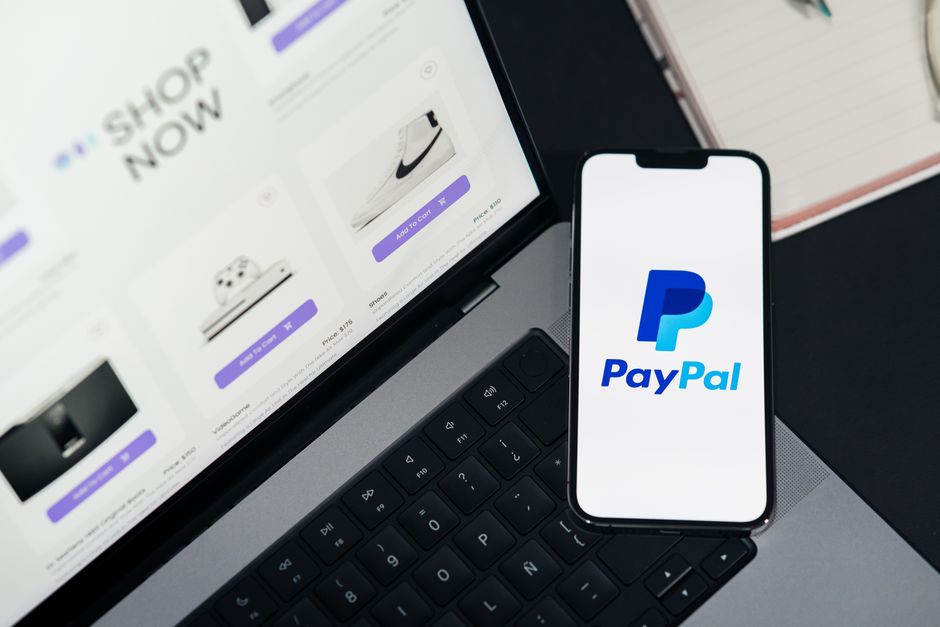
Mobile-first cashier pages are designed with touch interaction, smaller screens, and faster, simplified navigation in mind. They reduce cognitive load and eliminate many unnecessary steps common on desktop. This streamlined experience makes the process feel faster, even if backend payment processing takes the same amount of time as on desktop.
Reduced Checkout Steps and Cognitive Load
Mobile UX designers focus on:
- Minimal form fields — asking only for essential information
- Auto-filling data through saved payment profiles or mobile banking app integrations
- Clear, prominent action buttons sized for fingertip taps
- Visual feedback immediately upon interaction to assure users they are progressing
This focus on reduced checkout steps not only decreases actual interaction time but also makes players perceive the process as faster.
Digital Wallets and Mobile Banking Apps: Less Friction, More Speed
Another key reason mobile casino payments feel faster is the widespread adoption of digital wallets like Apple Pay, Google Pay, and PayPal on mobile devices. Unlike desktop, where users must type card details, on mobile these wallets leverage stored card info and biometric authentication, cutting out multiple typing and verification steps.
Similarly, many banks have developed dedicated mobile banking apps with instant notifications and quick login methods, enabling https://casinocrowd.com/what-does-charge-to-mobile-look-like-on-a-phone-bill/ rapid payment authorization. This integration between the casino cashier and the user’s bank app, in combination with Visa Debit card acceptance, speeds up card transactions substantially while maintaining security.
Wallet Authentication Improves Perceived Speed
Biometric authentication—using fingerprint sensors or facial recognition—has become a cornerstone of mobile payment UX. Instead of entering passwords or one-time passcodes, players tap their finger or glance at their phone to confirm a payment.
This seamless authentication reduces friction so dramatically that even a payment requiring some backend processing can feel instantaneous. This is especially important when operators like MrQ design their payment flows around these capabilities, resulting in smooth, fast user journeys.
Direct Carrier Billing vs Paying on a Smartphone: Understanding the Difference
One common source of confusion comes from the phrase “pay by phone.” In the UK iGaming context, this phrase is too https://enyenimp3indir.net/fingerprint-confirmation-for-payments-is-it-safer-than-typing-a-password/ vague and often misused.
- Direct Carrier Billing: This method allows players to charge deposits directly to their mobile phone bill. It is subject to higher limits and regulatory scrutiny due to its asynchronous, delayed payment nature.
- Paying on a Smartphone using Digital Wallets or Cards: This describes making payments via card networks, digital wallets, or banking apps on a mobile device, with immediate authorizations.
Many players assume all mobile payments are “pay by phone” carrier billing, but in fact, most mobile casino payments happen through digital wallets or Visa Debit cards using mobile UX enhanced payment flows.
Carrier billing deposits often take longer to appear in the player’s casino account and can require additional verification, making the experience slower despite the “phone” connection. Digital wallets and mobile banking apps, by contrast, provide near-instant authorization that enhances the feeling of payment speed.
The Role of Regulations and Payment Networks
Ofcom oversees UK communications networks and helps ensure transparency and consumer protection around phone-related payments. Their guidelines reinforce the need for clear labelling of payment methods—especially distinguishing carrier billing from card payments—even when accessed via smartphones.
Visa Debit
Summary: Why Mobile Casino Payments Feel Faster — Even When They Aren’t Instant
Factor Impact on Perceived Payment Speed Example Mobile-First Cashier Pages Reduce checkout steps and simplify UI make process feel quicker MrQ's responsive cashier page Digital Wallets (Apple Pay, Google Pay) Wallet authentication reduces typing and speeds verification Fingerprint payment confirmation Mobile Banking Apps Integration Quick authorizations via app reduce wait times Instant payment push notifications Biometric Authentication Faster user approval replaces passwords/OTP Face ID or fingerprint scanner Clear Distinction Between Carrier Billing and Card Payments Reduces confusion, manages expectations of payment timings Payments labeled “Visa Debit on phone”Final Thoughts
The perception of speed in mobile casino payments is driven more by improved mobile UX, reduced checkout steps, and streamlined authentication than by backend payment processing times alone. Operators like MrQ investing in mobile-first cashier pages and embracing digital wallets create smoother, quicker user journeys that feel faster—even when some transactions still require a few seconds for backend confirmation.
Understanding the difference between paying on a smartphone and direct carrier billing is vital to managing player expectations, especially given the regulatory environment overseen by bodies like Ofcom. Supported by payment networks such as Visa Debit and advancements in wallet authentication technology, mobile payments continue to set new standards for speed and convenience in the UK iGaming market.
